


Introduction
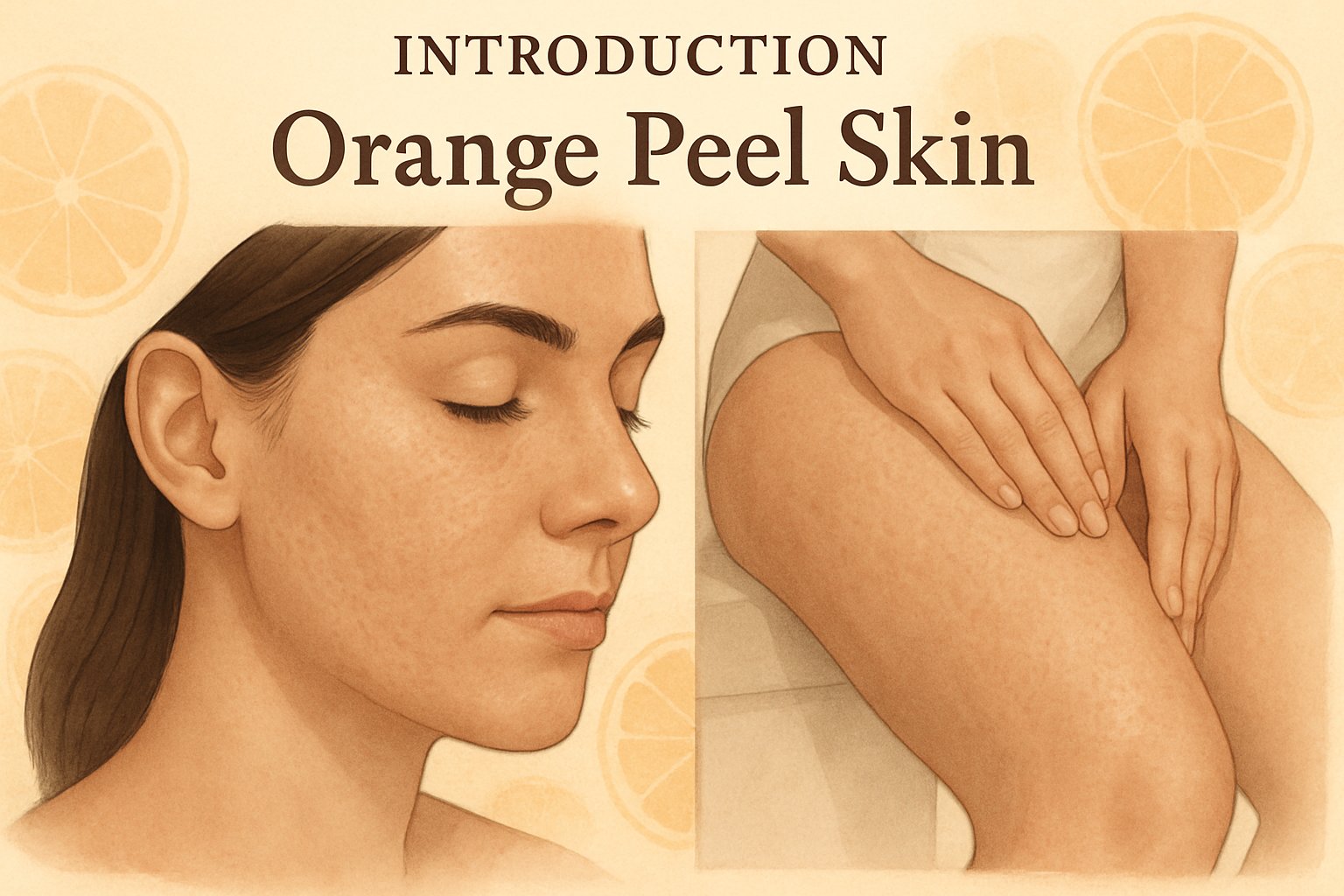
When I first noticed that dimpled, pitted look on my cheeks and thighs, it reminded me of citrus peel—what many call orange peel skin. In this 2025 review, I break down what causes the texture, how I compare the common treatments, and which steps make the biggest difference when you want results without overcomplicating your routine. I also highlight warning signs you shouldn’t ignore. If you want a concise, browser-friendly guide you can act on today, this is it. For quick reference to the topic itself, I’ll be using the term orange peel skin throughout.
Causes of Orange Peel Skin Texture

Orange peel texture can come from harmless skin conditions or from medical issues that deserve prompt attention. Understanding which pattern fits your situation is the fastest way to a solution you can customize. Below, I explain the most common causes the way I’d approach them in a stepwise review—starting with everyday skin changes and moving toward the less common but more serious possibilities.
Aging and Loss of Elasticity
As skin ages, collagen and elastin decline, and pores can look more pronounced, creating a pebbled or dimpled surface. Sun exposure accelerates that process, and so does dehydration, which makes fine lines and pores stand out more. I’ve found that people often mistake enlarged pores plus mild laxity for a disease, when it’s usually a normal texture change that responds to smart skincare and procedural options. Incorporating antioxidants like vitamin C into your routine can further protect against environmental damage, helping to maintain smoother skin over time.
Keratosis Pilaris
Keratosis pilaris (KP) shows up as tiny, rough bumps—often on the upper arms, thighs, and cheeks—that can collectively look like an orange peel. It happens when keratin plugs the hair follicle openings, leading to a sandpaper-feel surface. While KP is harmless, it can be persistent; consistent exfoliation and hydration usually improve it, but you need to keep up the routine to maintain smoothness. Many people find that avoiding tight clothing and using humidifiers during dry seasons also helps reduce flare-ups and enhances overall skin comfort.
Cellulite
Cellulite is a structural issue where fat lobules push against connective bands under the skin, causing dimples and waves—most common on the thighs and buttocks. It’s not a sign of poor health and can appear in any body size, which is important to understand when setting expectations. Because cellulite is anatomical, it rarely disappears with creams alone; it often needs a combo approach that may include in-office treatments targeting those fibrous bands. Lifestyle factors like regular exercise and a balanced diet can support skin firmness, making the dimpling less noticeable alongside targeted therapies.
Lymphedema
Lymphedema is swelling caused by impaired lymphatic drainage, and long-standing cases can alter skin texture, sometimes giving a peau d’orange appearance. You might notice heaviness, tightness, and indentation marks from socks or clothing, especially by day’s end. This cause warrants medical assessment because proper management—like compression and specialist therapy—prevents progression and protects skin health. Early intervention can also include dietary adjustments to reduce salt intake, which helps minimize fluid retention and supports lymphatic function.
Infections
Certain skin infections inflame hair follicles and surrounding tissue and can create an uneven surface. Bacterial folliculitis, for example, causes clusters of red bumps that can leave a pitted look after repeated flare-ups. If you see rapidly spreading redness, warmth, pain, or pus, that’s a cue to seek treatment quickly to prevent complications and scarring. Maintaining good hygiene practices, such as using clean towels and avoiding shared razors, can help prevent these infections from recurring in prone areas.
Breast Cancer
Inflammatory breast cancer can cause peau d’orange on the breast, along with swelling, warmth, rapid change in size, and sometimes nipple inversion. This is a medical emergency, and it looks and behaves differently from routine skin texture issues on the face or thighs. Any sudden breast skin dimpling or thickening should be assessed urgently to rule out serious disease. Regular self-exams and mammograms are crucial for early detection, especially if you have a family history or other risk factors.
How to Get Rid of Orange Peel Skin
My approach is to match the solution to the cause, then personalize the plan around sensitivity, budget, and timeline. At home, you can tackle texture from aging or KP with a few proven actives and consistent habits. For cellulite or advanced texture changes, office procedures offer the biggest gains. When symptoms hint at infection, lymphedema, or breast changes, the right move is medical evaluation first. Comparing options shows that at-home skincare works well for mild cases like aging texture, KP, or enlarged pores by exfoliating, hydrating, and supporting collagen; it’s highly customizable with costs around RM50–RM300 per month and visible results in 4–12 weeks. Prescription topicals suit stubborn KP or acne-prone texture through stronger exfoliation and anti-inflammatory effects, with moderate customization at RM80–RM250 monthly and a 6–12 week timeline. Office procedures target cellulite, advanced laxity, or pores by stimulating collagen or releasing fibrous bands, offering high customization for RM800–RM6,000 per session over weeks to months. Finally, medical evaluation is essential for infections, lymphedema, or breast changes to diagnose and treat underlying issues, with costs varying by clinic and timelines as directed by specialists.
Treating Causes from Aging, Skin Conditions, and Cellulite
For age-related texture and enlarged pores, I favor a simple, customizable routine: a gentle cleanser, daily sunscreen, and one active at a time. Start with a leave-on chemical exfoliant (like lactic or salicylic acid) two to three nights weekly, then add a retinoid at night on alternate days as your skin tolerates it. This sequence smooths surface roughness, reduces the look of pores, and supports collagen over time. Many users in Malaysia find that incorporating local brands with natural ingredients enhances tolerance and effectiveness.
For keratosis pilaris, consistent softening and dissolving of keratin plugs are key. Urea or lactic acid lotions are great daily mainstays, and you can layer a mild salicylic acid wash a few times weekly to target follicle buildup. If bumps are inflamed or very persistent, a clinician may add a low-strength retinoid or short courses of anti-inflammatory topicals to calm the cycle. Combining this with gentle physical exfoliation, like using a soft brush, can further improve texture without causing irritation.
Cellulite requires targeted strategies beyond creams. In-office options in Malaysia include energy-based devices that stimulate collagen, injectable treatments that release fibrous bands, and radiofrequency microneedling to thicken the dermis. I recommend discussing your goals and downtime limits so the plan can be customized; results often need a series of sessions, and maintaining a stable weight and good muscle tone helps your outcome last. Emerging treatments like acoustic wave therapy are also gaining popularity for their non-invasive approach to reducing dimpling.
Treating Serious Causes like Breast Cancer and Infections
If texture comes with pain, heat, spreading redness, fever, or discharge, prioritize medical care before skincare. Bacterial infections usually respond to appropriate antibiotics, and treating them early reduces the risk of scarring or persistent texture changes. Lymphedema is best managed with a specialist’s program that may include compression garments, manual lymphatic drainage, and skin protection to prevent cellulitis. Following up with regular check-ins ensures the condition doesn’t worsen over time.
Any peau d’orange affecting the breast, especially with warmth, swelling, or nipple change, should be assessed urgently to rule out inflammatory breast cancer. This is not a situation to self-treat with exfoliants or massage. A fast diagnosis leads to the right oncology pathway and the best chance of controlling the disease. Support groups and resources in Malaysia can provide additional guidance during this process.
When in doubt, I use this rule: if the texture appears suddenly, is painful, or is linked to systemic symptoms, step away from DIY fixes and get examined. Safe decisions early on save time and stress later. Consulting a dermatologist or relevant specialist can clarify the path forward efficiently.
Preventing Orange Peel Skin
Prevention is about strengthening the skin barrier, protecting collagen, and staying consistent. Even small, steady habits make a visible difference in a few weeks. I keep prevention simple so it’s easy to customize and stick with over the long term, focusing on how to get rid of orange peel skin before it becomes prominent.
Lifestyle and Skincare Tips
Daily broad-spectrum sunscreen is the single most effective step to slow collagen breakdown and keep pores from looking larger. Choose a lightweight formula you like so you’ll reapply; the best sunscreen is the one you’ll actually use. Pair it with a hydrating moisturizer containing glycerin or ceramides to keep the barrier smooth and flexible. In humid climates like Malaysia, opt for non-comedogenic options to avoid clogging pores.
For routine texture control, schedule gentle exfoliation two or three times a week rather than scrubbing aggressively every day. Over-exfoliation can cause irritation, making bumps and redness more noticeable. If you use retinoids, apply a pea-sized amount at night to dry skin, then buffer with moisturizer to reduce irritation while still getting benefits. Starting with lower concentrations builds tolerance gradually.
Beyond skincare, build muscle with regular lower-body and core workouts to improve the look of cellulite and support skin tone. Stay hydrated, aim for enough protein to support skin repair, and manage stress and sleep—both affect skin recovery and inflammation. The key is repeatable habits that feel realistic in your week, not perfection. Incorporating anti-inflammatory foods like omega-3-rich fish can also promote healthier skin from within.
When to See a Doctor
Most texture concerns improve with at-home care and, if needed, planned procedures. But some patterns point to infections or systemic issues that deserve timely evaluation. I treat these as red flags that shift me from “optimize skincare” to “seek medical care,” ensuring you address potential underlying causes effectively.
Signs Indicating Serious Conditions
Seek medical advice if texture changes are rapid, painful, or warm to the touch, or if you notice pus, fever, or streaking redness traveling outward. If you have new breast skin dimpling, swelling, or warmth—especially if one side changes quickly—get urgent assessment. Progressive limb swelling, heaviness, or frequent skin infections around the area are also signs to evaluate for lymphedema. Keeping a symptom journal can help your doctor understand the progression better.
Chronic skin conditions that don’t respond to weeks of consistent care are worth a professional look. A clinician can confirm the diagnosis, rule out overlapping problems, and suggest prescription treatments or procedures that match your goals. That way, you don’t lose months on a plan that’s not built for your specific cause. In Malaysia, dermatology clinics often offer comprehensive skin assessments for such concerns.
Finally, if you’re unsure what’s driving the texture, a brief consult saves guesswork. A tailored plan almost always beats trial-and-error, and it protects your skin barrier while you improve it. Early professional input can also prevent minor issues from escalating into more complex problems.
The Takeaway
Orange peel texture is a pattern, not a single problem—and matching the fix to the cause is how you win. Start now with a simple plan: protect with sunscreen, smooth with measured exfoliation, and add a retinoid as tolerated; for KP, lean on urea or lactic acid; for cellulite, discuss targeted procedures if topical care isn’t enough. If you spot warning signs—rapid change, pain, warmth, swelling, or breast involvement—get medical help first. With consistent, customized steps, most people see meaningful improvement in weeks, and refined results over the next few months. Remember, understanding how to treat orange peel skin empowers you to achieve smoother, healthier skin confidently.








Leave a Reply